Fiber vs. Cable vs. DSL: A Complete Comparison
Choosing the right internet type can feel confusing, especially with so many terms like fiber, cable, and DSL floating around. Each comes with its own promises of speed and stability, but not all can deliver what modern homes and businesses truly need. Whether you’re looking for a reliable internet connection for home or an efficient business broadband provider, understanding these options helps you make a smart and lasting decision.
Let’s break down the major differences between fiber, cable, and DSL and find out why fiber has become the preferred choice for today’s digital generation.
The Technology Behind Each Connection
To start, let’s understand how each type of connection works.
DSL (Digital Subscriber Line) uses existing telephone lines to transmit internet signals. It was one of the earliest forms of broadband, but it has serious speed and distance limitations.
Cable internet uses the same coaxial cables that deliver television signals. It offers better speed than DSL but is still dependent on shared networks, which can slow down during peak hours.
Fiber internet, on the other side, uses strands of glass or plastic to transmit data as light signals. This allows information to travel at the speed of light, literally, offering unmatched speed and reliability. When you search for an internet connection provider near me, you’ll notice that many modern ISPs are now focusing heavily on expanding their fiber infrastructure for this reason.
Speed and Performance
When it comes to a high-speed internet connection, fiber clearly stands out. While DSL typically offers speeds between 10 and 30 Mbps and cable ranges between 100 and 500 Mbps, fiber can reach speeds up to 1 Gbps or more.
For users who stream movies, play online games, or work remotely, fiber ensures a smooth experience without lag or buffering. A home internet connection powered by fiber supports multiple devices simultaneously without compromising performance.
Cable and DSL can perform decently for light users, but once your household starts depending on smart TVs, Wi-Fi cameras, and video calls, they simply can’t keep up. That’s why choosing a top internet service provider that offers fiber connectivity ensures you’re ready for the demands of modern life.
Reliability and Consistency
Reliability is just as important as speed. DSL signals weaken as the distance from the provider’s station increases. Cable connections, meanwhile, are shared among multiple users in the same area, meaning that during peak evening hours, your speeds may drop dramatically.
Fiber networks don’t suffer from these issues. They are not affected by distance or interference from nearby devices. Rain, heat, or network congestion won’t impact a fiber broadband connection near me the same way they might affect DSL or cable.
This level of reliability makes fiber the top choice for both homes and businesses. In fact, many small offices today prefer a fiber connection from a business broadband provider like Apple Fibernet to maintain consistent productivity and uptime.
Upload and Download Speeds
Most people focus on download speeds when comparing internet plans, but upload speeds matter too, especially for video calls, cloud storage, and content sharing. DSL and cable typically offer much lower upload speeds than download speeds, making tasks like file transfers or live streaming frustratingly slow.
Fiber, however, offers symmetrical speeds, meaning upload and download rates are the same. This makes a high-speed internet connection perfect for professionals working from home, students attending online classes, or entrepreneurs managing cloud-based systems. If you’re searching for wifi providers near me, this symmetry is one of the strongest reasons to choose fiber.
Cost and Long-Term Value
At first glance, DSL or cable plans may appear cheaper. However, the price difference between them and fiber has decreased dramatically. Plus, fiber’s efficiency, minimal maintenance, and consistent performance make it more cost-effective in the long run.
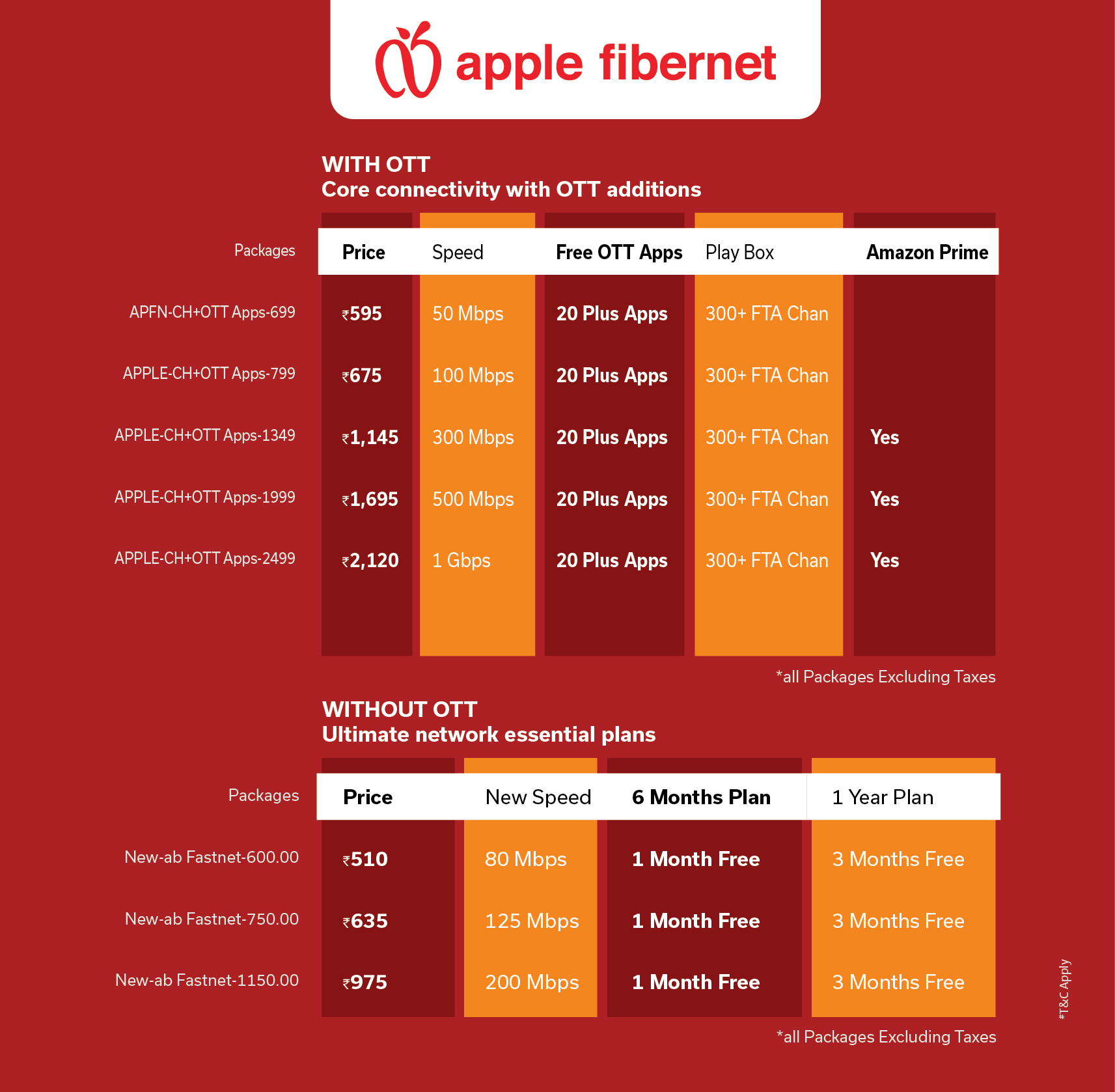
A top internet connection provider like Apple Fibernet offers flexible plans that cater to different needs and budgets, ensuring that every customer, from light users to large families, gets the best possible experience without overspending. Over time, the reliability of fiber saves you from frequent service calls and downtime that cable or DSL users often face.
Suitability for Homes and Businesses
For families, fiber offers the best internet connection for home with the ability to handle streaming, gaming, smart home systems, and more. For companies, fiber’s speed and stability make it ideal for operations that rely on digital communication, file sharing, and cloud platforms.
That’s why many brands now trust Apple Fibernet, a top internet service provider, to deliver the same powerful connection for both residential and commercial users. Whether you’re upgrading your home internet connection or searching for a dependable business broadband provider, fiber ensures a consistent, high-performance experience every day.